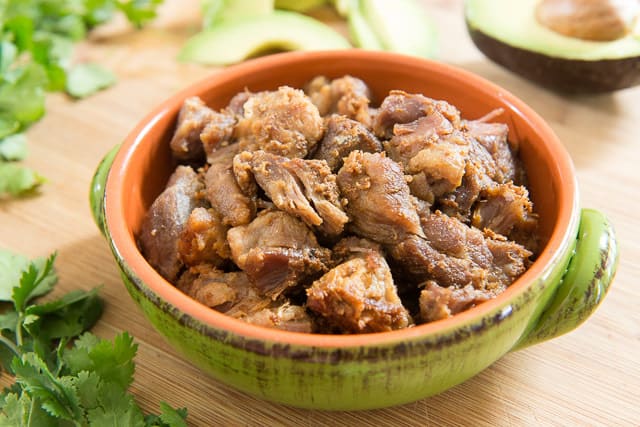
Pork Carnitas: Do You Really Need More Than Pork and Salt?
Few dishes evoke the soul-satisfying comfort and rich flavor quite like pork carnitas. This Mexican culinary masterpiece, literally translating to "little meats," is renowned for its succulent interior and irresistibly crispy exterior. But when it comes to crafting authentic carnitas, a persistent question divides home cooks and culinary experts alike: do you really need a pantry full of ingredients, or can the magic happen with just pork and salt?
The debate is a lively one, fueled by countless recipes that call for everything from citrus to cola, milk to lard. While some swear by an elaborate ingredient list, others argue that the true essence of carnitas lies in its beautiful simplicity. This article dives deep into the heart of this discussion, exploring the role of various additions and ultimately empowering you to decide what truly defines your perfect pork carnitas has to be.
The Undeniable Foundation: Pork and Salt – The Bare Essentials
At its core, carnitas is a celebration of pork. The star of the show is typically a large cut of pork shoulder, also known as pork butt. This cut is ideal because it contains a generous amount of intramuscular fat and connective tissue, which, when cooked low and slow, renders down into incredibly tender, flavorful meat. Without this foundational ingredient, there is no carnitas.
Then comes salt. More than just a flavor enhancer, salt plays a crucial role in breaking down the meat's proteins, helping it retain moisture, and ultimately tenderizing it during the long cooking process. A good, generous seasoning of salt is non-negotiable for delicious carnitas. Rick Bayless, a respected authority on Mexican cuisine, emphatically states that "carnitas made with just pork and salt are really good." This isn't just an opinion; it's an acknowledgment of the dish's fundamental integrity.
The beauty of this minimalist approach lies in allowing the inherent richness of the pork to shine through. When cooked correctly, the pork itself develops a depth of flavor that is truly remarkable. The long braise in its own rendered fat (or added lard) transforms tough muscle fibers into tender, shreddable strands, while the final high-heat crisping creates those coveted golden-brown, crunchy bits.
The Art of Transformation: Technique is King
What truly elevates simple pork and salt into glorious carnitas isn't an exotic ingredient, but rather the cooking technique. The traditional method involves two primary phases:
- Slow Braising/Confit: The pork is cooked slowly in its own rendered fat, or with added lard, until it is melt-in-your-mouth tender. This process can take several hours, allowing the collagen to break down and the meat to become incredibly succulent.
- Crisping: Once tender, the heat is often increased, or the meat is transferred to a hotter pan, to achieve those irresistible crispy, caramelized edges. This contrast between tender interior and crunchy exterior is the hallmark of authentic carnitas.
Mastering this technique is arguably more important than any secret ingredient. The gradual rendering of fat, the slow breakdown of connective tissue, and the final caramelization are what build the complex flavors and textures that define exceptional carnitas.
Beyond the Basics: The Role of 'Extra' Ingredients
While pork and salt are sufficient, many recipes introduce a range of other ingredients. But what do these additions actually contribute? It’s important to understand their specific functions, as they often serve distinct purposes beyond just "flavoring."
Browning Boosters: Sugars and Acids
You've likely seen recipes calling for cola beverages, sweetened condensed milk, or orange juice. These aren't just for taste; they're primarily added to promote the Maillard reaction – the chemical process responsible for creating those delicious brown crusts and complex savory flavors.
- Sugars (Cola, Sweetened Condensed Milk): The sugars caramelize quickly, helping to achieve a deep, appealing brown color on the meat. They contribute very little direct sweetness to the final savory product due to the long cooking time.
- Acids (Orange Juice, Cola): The acidity in orange juice or cola can also contribute to browning, and some argue it helps tenderize the meat, though the long cooking time and fat are the primary tenderizers.
Succulence Secrets: The Milk Factor
One intriguing addition found in some recipes is milk, specifically for braising. The Allrecipes "Orange and Milk-Braised Pork Carnitas" recipe notes that "The milk braising beforehand seems to give the meat a little extra succulence."
This isn't just anecdotal. Milk contains lactic acid and milk solids that can interact with the meat's proteins, potentially contributing to a creamier texture and a richer mouthfeel. The fat in the milk can also help keep the meat moist during the initial stages of cooking. While not traditional in all carnitas preparations, milk can undoubtedly enhance the tenderness and succulence of the pork, offering a subtle richness that is distinct from fat alone. For more insights on this, explore How Milk & Orange Elevate Pork Carnitas Succulence & Flavor.
Aromatic Accents: Herbs, Garlic, and Citrus Rind
Other common additions include garlic, onion, bay leaves, and orange rind. Unlike the browning boosters or succulence agents, these ingredients primarily contribute aromatic compounds.
- Orange Rind: Rick Bayless notes that "the orange rind can add fragrance to the fat." The essential oils in the rind infuse the cooking liquid and rendered fat with a subtle, bright aroma. The juice, as mentioned, is more about browning.
- Herbs (Bay Leaves), Garlic, Onion, Black Pepper: These aromatic elements contribute layers of background flavor. However, Bayless wisely points out that "high-temperature lard will obliterate everything but the most robust flavors." This means that if you're cooking carnitas at a very high heat for an extended period, the delicate notes from these additions might get lost. They tend to be more effective in lower-temperature or shorter braising methods, where their flavors have time to gently infuse without being cooked out.
These ingredients are about adding nuance, a subtle whisper of flavor rather than a dominant note. They can elevate the dish, but their impact can be diminished by intense heat.
Crafting Your Perfect Carnitas: A Personalized Approach
So, do you *really* need more than pork and salt? The answer, like many things in cooking, is nuanced. No, you don't *need* them for excellent carnitas. Pork and salt, combined with proper technique, will yield a truly delicious result. However, additional ingredients can serve specific, beneficial purposes:
- If you want an extra-deep, almost mahogany crust without necessarily extending cooking time, consider a touch of sugar or acid.
- If you seek an unparalleled level of succulence and a slightly creamy texture, milk braising might be your secret weapon.
- If you enjoy subtle aromatic undertones, a piece of orange rind or a few bay leaves can add a lovely dimension, especially if they are introduced early in the braising process and not subjected to excessively high heat for too long.
Ultimately, the best carnitas recipe is the one that you love the most. Don't be afraid to experiment! Start with the basics: quality pork shoulder and ample salt. Master the low-and-slow rendering and the high-heat crisping. Once you've achieved that perfect pork-and-salt carnitas, then consider introducing an element like orange rind for fragrance or a splash of milk for succulence, observing how each addition subtly transforms the experience.
Conclusion
The journey to perfect pork carnitas is a testament to the power of simplicity and technique. While the core magic undoubtedly resides in just pork and salt, transformed by diligent cooking, the culinary world offers a spectrum of enhancements. Whether you opt for the purist's path, celebrating the unadorned richness of the meat, or choose to explore the nuances offered by milk, citrus, or a touch of sugar, understanding the 'why' behind each ingredient empowers you. So go forth, cook with confidence, and discover what your ideal pork carnitas has to offer – whether it's two ingredients or a few more, the result is bound to be delicious.
