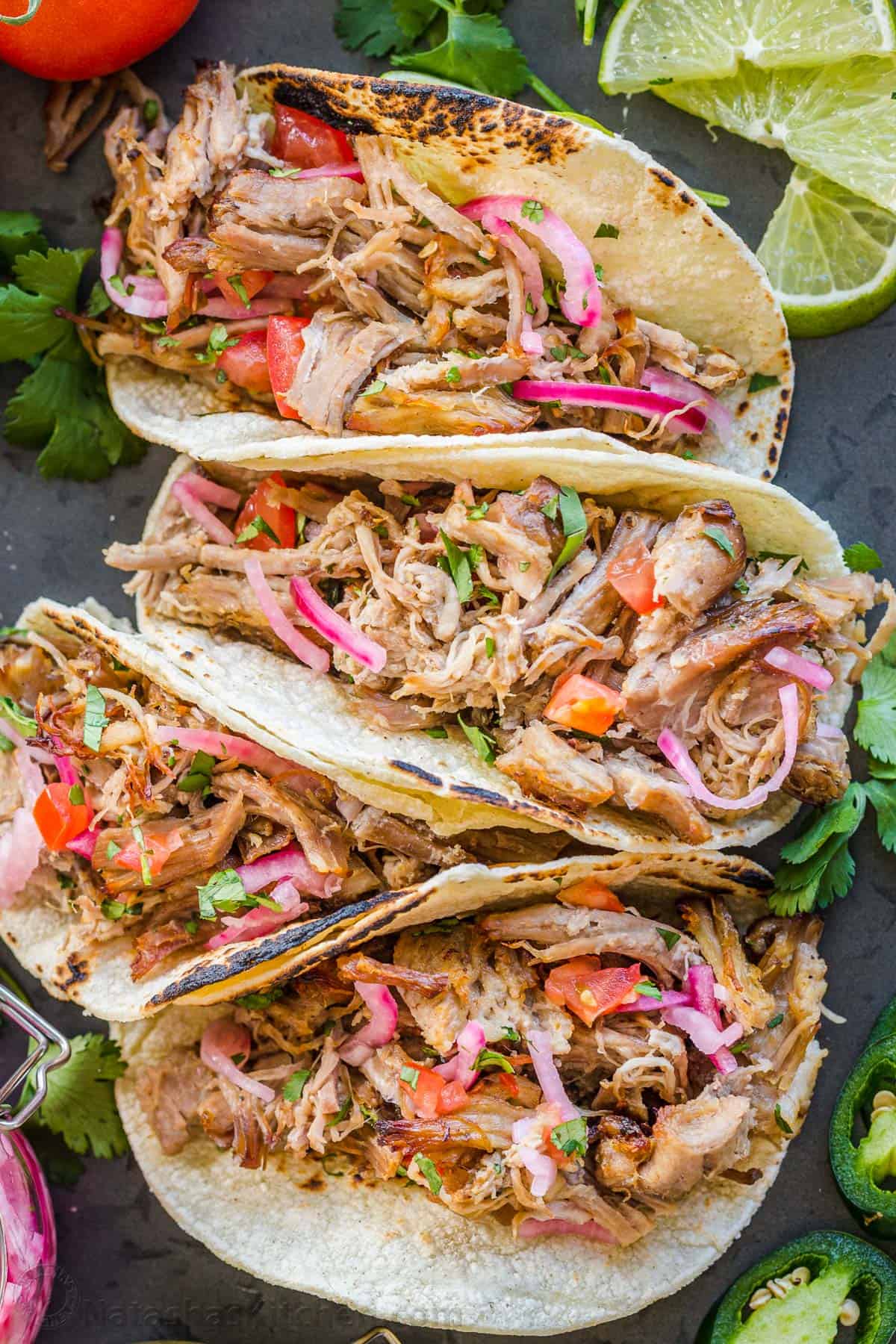
The Truth About Carnitas Flavorings: Browning vs. Fragrance
The culinary world is rich with traditions, and few dishes capture the hearts (and stomachs) quite like carnitas. This beloved Mexican specialty, with its tender, succulent pork and irresistible crispy bits, often sparks lively discussions among home cooks and professional chefs alike. At the heart of many such debates lies the question of flavorings: what truly belongs in a batch of carnitas, and more importantly, what purpose do these extra ingredients serve? Is it about adding distinct flavors, or is there a more fundamental chemical reaction at play? The truth, as we'll explore, lies in understanding the dual roles of browning agents and aromatic infusions.
Many recipes for pork carnitas feature an array of additions, from citrus fruits to sodas, milk, and various herbs and spices. While they all contribute to the final product, their primary functions often differ. Some ingredients are heroes of the Maillard reaction, promoting the coveted golden-brown crust, while others are master alchemists, infusing the meat and fat with subtle, complex fragrances. Understanding this distinction is key to mastering the art of homemade carnitas.
The Essential Foundation: Pork and Salt
Before we dive into the myriad of flavorings, it's crucial to acknowledge the incredible base from which all carnitas spring: the pork itself. Rick Bayless, a renowned authority on Mexican cuisine, offers a profound insight: "Honestly, carnitas made with just pork and salt are really good." This statement underscores a fundamental truth – the inherent quality and flavor of the pork are paramount. A well-rendered piece of pork, slow-cooked to tenderness and then crisped, truly pork carnitas has a magnificent flavor profile on its own.
The magic often begins with generous chunks of fatty pork shoulder (boneless or bone-in), simmered slowly in its own rendered fat (or lard) until fork-tender. This initial slow cooking breaks down tough connective tissues, resulting in that melt-in-your-mouth succulence. The salt, of course, is indispensable, not just for seasoning but also for drawing out moisture and enhancing the natural pork flavor. If you're wondering how minimalist you can go, you'll find great insights in our related article: Pork Carnitas: Do You Really Need More Than Pork and Salt?
Even without a single additional ingredient, the process of slow-cooking and then searing creates a symphony of textures and tastes: incredibly moist interior, crispy exterior, and rich, savory pork goodness. Any additional flavorings, then, should be seen as enhancing this already fantastic foundation, not as masking a lack of flavor.
The Browning Boosters: Sweetness for Maillard
One of the most appealing aspects of authentic carnitas is the beautiful browning and crispy texture achieved in the final stages of cooking. Many common additions to carnitas recipes are specifically designed to facilitate this process, not necessarily to impart their direct flavor. These are the browning boosters, and their secret lies in their sugar content.
- Orange Juice & Cola Beverages: Ingredients like orange juice or cola are frequently called for in carnitas recipes. While the citrus rind can add fragrance (more on that below), the *juice* from an orange, and certainly cola, are rich in sugars. These sugars caramelize beautifully when exposed to high heat, accelerating the Maillard reaction. This complex chemical reaction is responsible for creating hundreds of flavor compounds and the desirable brown crust on many cooked foods. Adding these sugars means your pork carnitas has a better chance of developing those coveted crispy edges without excessive drying.
- Sweetened Condensed Milk: This ingredient, though less common than orange juice or cola, also falls into the category of browning agents. Sweetened condensed milk is, as its name suggests, very high in sugar, which promotes significant browning. It also contains lactose, another sugar, and proteins, all of which contribute to the Maillard reaction. Some claim it adds a subtle richness or helps with succulence, but its primary function in the browning stage is caramelization.
- Milk Braising: The Allrecipes "Orange and Milk-Braised Pork Carnitas" recipe highlights the use of milk braising beforehand, noting it "seems to give the meat a little extra succulence." Beyond succulence, milk contains lactose (milk sugar) and proteins. During the braising process, and especially as the liquid reduces and the heat increases, these components can also contribute to browning, offering a more nuanced caramelization and a wonderfully tender texture that pork carnitas has when prepared this way. We explore this further in How Milk & Orange Elevate Pork Carnitas Succulence & Flavor.
It's important to note that while these ingredients promote browning, their intense flavors often get transformed or even "cooked out" during the long, hot process. The goal isn't necessarily to make your carnitas taste like orange soda or condensed milk, but rather to use their sugars to achieve that perfect golden-brown, crispy exterior that makes carnitas so irresistible.
The Aromatic Alchemists: Fragrance and Depth
While some additions are all about the crispy exterior, others are dedicated to infusing the pork with nuanced aromas and flavors. These are the aromatic alchemists, and their impact is often more subtle, enhancing the depth of the overall dish rather than dominating it.
- Orange Rind: Unlike the juice, which is a browning agent, the rind (or zest) of an orange is purely for fragrance. The essential oils in the rind release a beautiful, subtle citrus aroma into the cooking fat and the meat. This doesn't make the pork taste like orange but rather adds a bright, fresh counterpoint to the richness of the pork. It's a classic touch that many believe truly elevates the final product.
- Herbs and Spices: Bay leaves, garlic, onions, and cracked black pepper are common aromatic additions. These ingredients slowly release their flavors into the braising liquid and rendered fat, permeating the pork as it cooks.
- Bay Leaves: Offer a subtle, almost minty and slightly bitter herbaceous note.
- Garlic & Onions: Provide a foundational savory depth that complements almost any meat dish.
- Black Pepper: Adds a gentle warmth and spice.
Rick Bayless points out a crucial detail here: these aromatics "mostly only [add flavor] to the lower temperature versions." This is because high-temperature cooking, especially in simmering lard, can "obliterate everything but the most robust flavors." Delicate herbs and spices might lose their distinctiveness if subjected to extreme heat for prolonged periods. - Beyond the Basics: Some regional variations might include ingredients like cinnamon stick, cloves, or even a touch of oregano. These additions fall squarely into the aromatic category, aiming to imbue the pork carnitas has a unique, complex aroma that speaks to its origin or a particular family tradition.
The art of using aromatics lies in their gentle infusion. They are meant to complement and enhance the natural flavor of the pork, not to overpower it. The subtle sweetness from the orange, mentioned in the Allrecipes context, likely refers to both the aromatic contribution of the rind and the mild caramelization from the juice.
Crafting Your Carnitas Masterpiece: A Balanced Approach
Armed with the knowledge of browning versus fragrance, you can now approach your carnitas cooking with a clearer purpose. The goal is to strike a balance that suits your personal preference and achieves the desired outcome.
Here are some tips for mastering your carnitas:
- Consider Your Method: The cooking method will influence how your flavorings perform.
- Long, Slow Braise (Dutch Oven/Slow Cooker): Ideal for infusing delicate aromatics like bay leaves, garlic, and orange rind. The lower, consistent heat allows these flavors to develop slowly and deeply.
- Deep Frying/Confit (Lard Bath): While incredible for tenderness, if you plan to finish in very hot lard, add browning agents (juices, cola) towards the end or during a final crisping stage to prevent burning and ensure their sugars caramelize effectively. Delicate herbs may be added at the beginning but understand their flavor might mellow significantly.
- Balance Sweetness: If using multiple browning agents (e.g., orange juice AND cola), be mindful of the sugar content. While it aids browning, too much can make the carnitas overly sweet. Start with moderate amounts and adjust.
- Layer Your Flavors: You can use both types of ingredients! Start with aromatics like garlic, onion, and orange rind in the initial braising stage. Then, as the liquid reduces and the pork begins to crisp, introduce browning agents like orange juice or cola to develop that beautiful crust.
- Don't Fear Simplicity: Remember Rick Bayless's advice. If you're short on ingredients or time, excellent pork carnitas has been made with just pork and salt. Master this base, and then experiment with additions.
- Taste and Adjust: Like any good cooking, tasting throughout the process (when safe) is essential. Adjust salt levels, and consider if you want more sweetness or more aromatic depth.
The beauty of carnitas is its versatility. Every batch of pork carnitas has the potential to be truly extraordinary, whether you adhere to a minimalist approach or embrace a symphony of browning agents and fragrant infusions. The key is understanding why you're adding each ingredient.
Conclusion
The debate over carnitas flavorings is less about right or wrong, and more about understanding the specific role each ingredient plays. Some additions, primarily those rich in sugar like orange juice, cola, and sweetened condensed milk, are powerhouses for promoting the Maillard reaction, resulting in that coveted golden-brown, crispy exterior. Others, such as orange rind, bay leaves, garlic, and onions, act as aromatic alchemists, infusing the pork with subtle fragrances and depth of flavor, especially when cooked at lower temperatures. By understanding this crucial distinction between browning and fragrance, you can purposefully select your ingredients and cooking methods to achieve your perfect batch of carnitas – a dish where the tender, succulent pork truly shines, enhanced by a crispy finish and a nuanced, inviting aroma.
